Fitting out a café, restaurant, bar, bakery, pub or catering kitchen is capital-intensive before you serve a single customer. A commercial oven, a cool room and a two-group espresso machine can absorb a large share of your opening budget — and that is money not paying rent, wages or stock while you build a customer base.
Hospitality equipment finance spreads the cost of that gear over its working life, so the equipment is earning while you are paying for it rather than draining your working capital up front.
This page covers equipment for fixed premises. If you are financing a mobile setup, see food truck finance, which deals with the vehicle and its fitout together.
What counts as hospitality equipment
Lenders generally finance identifiable, movable items of equipment that have a serial number, a resale market and a working life. In hospitality that typically covers:
| Category | Typical items |
|---|---|
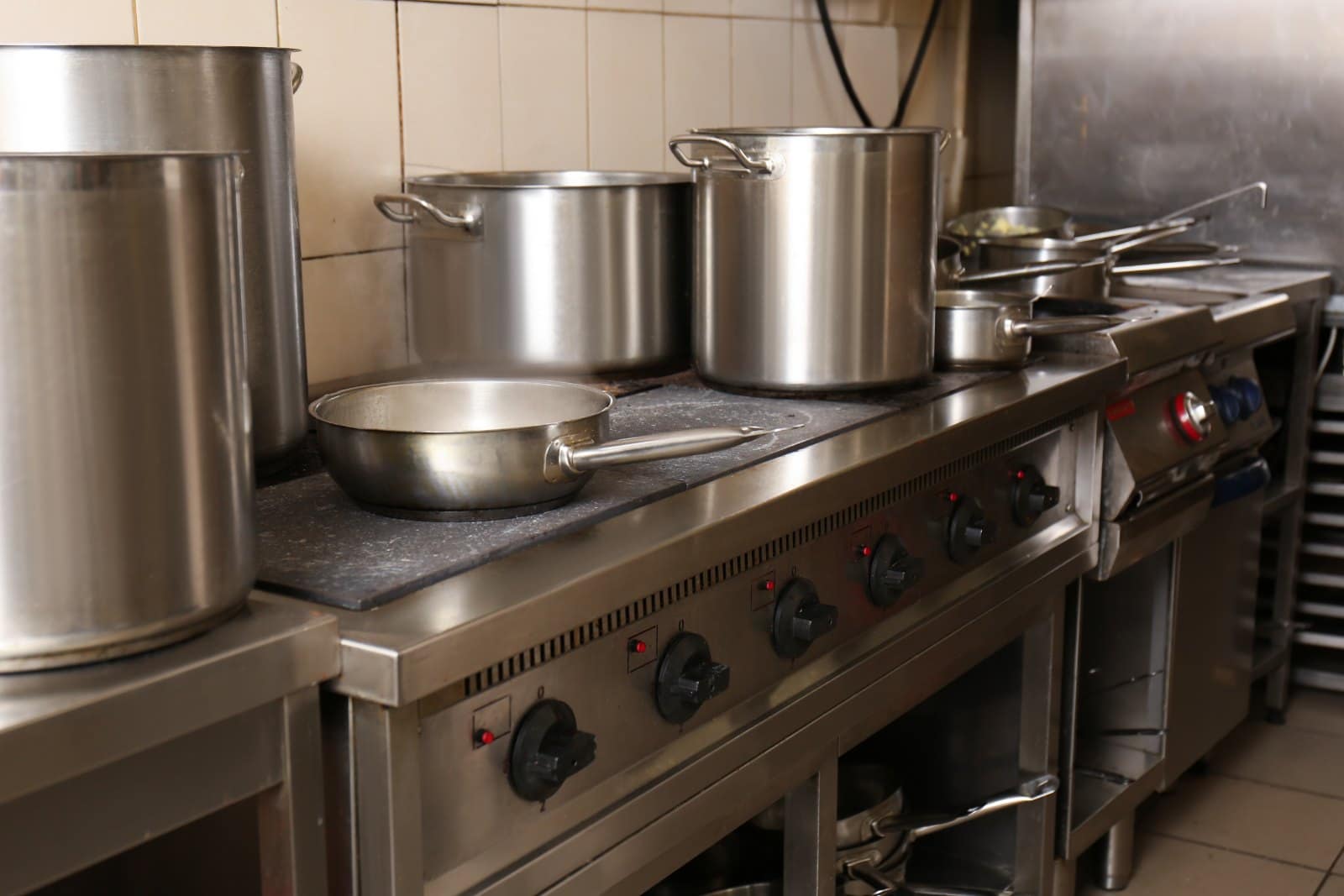
| Cooking equipment | Commercial ovens, combi ovens, ranges and cooktops, deep fryers, chargrills, salamanders, pizza ovens |
| Refrigeration | Cool rooms and freezer rooms, under-bench fridges, display cabinets, blast chillers, ice machines |
| Coffee and beverage | Espresso machines, grinders, water filtration, bar fridges, glass chillers, post-mix and beer systems |
| Food preparation | Planetary mixers, dough rollers, slicers, food processors, vacuum sealers, stainless prep benches |
| Warewashing | Pass-through and under-bench dishwashers, glasswashers, pot sinks |
| Ventilation and safety | Canopy and exhaust systems, filtration, fire suppression units |
| Front of house | POS systems and terminals, ordering screens, commercial furniture (treatment varies by lender — see below) |
Equipment finance versus fit-out and building works
This trips up a lot of first-time venue operators, so it is worth being precise.
Equipment finance is secured against the equipment itself. That works when the item is identifiable, movable and has resale value — an oven, a cool room unit, an espresso machine.
Fit-out and building works are a different category: structural changes, plumbing and gas rough-ins, tiling, ceilings, waterproofing, shopfronts, joinery built into the premises, and electrical infrastructure. Once these are affixed to a building you do not own, they generally cannot be used as security for equipment finance in the same way, because a lender cannot practically recover them.
In practice a venue build is usually funded through two different facilities:
- the equipment itself, via equipment finance (chattel mortgage, commercial hire purchase, lease or rental); and
- the fit-out, via a business loan, overdraft or line of credit — see business loans and finance, business overdraft or unsecured business loans.
Some items sit in a grey area — commercial furniture, some POS hardware, modular cool rooms — and lender treatment differs. It is worth confirming the split early, because it changes what you can borrow against and how the deal is structured.
Finance structures available
| Structure | Who owns the equipment | Typical fit |
|---|---|---|
| Chattel mortgage | You own it from day one; the lender takes security over it | Businesses wanting ownership and the associated tax treatment |
| Commercial hire purchase | Lender owns it during the term; title passes to you at the end | Businesses that want ownership at the end with a fixed payment structure |
| Finance lease | Lender owns it; you lease it for the term with a residual | Operators who want lower commitment or who upgrade equipment regularly |
| Rental / operating lease | Lender owns it; you rent it | Fast-obsolescing gear such as POS and some technology |
Because the right structure depends on how your business is set up and how you account for it, this is a conversation worth having with your accountant before you sign. For a broader view of how these structures compare across asset types, see asset finance and equipment finance.
New, used and ex-demo equipment
Hospitality has an unusually active second-hand market — venues close, and near-new gear comes up at auction and through dealers at a fraction of new pricing.
Used equipment can be financed, though lenders will look at the age of the item, its condition and its expected remaining life, and terms are often shorter than for new equipment. Purchases from auctions and private sellers may be assessed differently to purchases from an established dealer. See used equipment finance for how that is approached.
New venues and limited trading history
If you are opening a first venue, you do not yet have the trading history a lender would normally assess. That does not rule finance out, but it does change the conversation — expect more focus on your own background in the industry, the business plan and forecasts, the lease you have signed, and what you are contributing yourself.
If your paperwork is still catching up — a new ABN, a recent structure change, or financials not yet lodged — low-doc loans and low-doc equipment finance are worth discussing.
A worked example
A café operator fitting out a 60-seat site is financing a six-burner range and oven, a two-door under-bench fridge and a small cool room, a two-group espresso machine and grinder, and an under-bench glasswasher and pass-through dishwasher.
Those are all identifiable, serialised items with a resale market — a good fit for equipment finance under a single facility. The tiling, gas rough-in, canopy installation labour and joinery are fit-out costs, and would typically be funded separately.
Splitting the build this way at the quoting stage — rather than after the builder invoice arrives — usually makes the whole thing simpler to fund.
This example is illustrative and does not represent a quote, an offer, or an indication of what any lender will approve.
Estimating repayments
To model different amounts, terms and structures before you talk to anyone, use the equipment finance calculator. It is an estimate only — not a quote — but it is a useful way to sanity-check what a fitout package means month to month.
Fitting out a venue?
Tell us what you are buying and how your business is set up, and we will work through the structure options with you.
Apply Now | Prefer to start on-site? Begin an application.
Hospitality equipment finance FAQs
What hospitality equipment can be financed?
Generally any identifiable, movable item with a serial number and a resale market — commercial ovens and cooking equipment, refrigeration and cool rooms, espresso machines, food prep equipment, dishwashers and glasswashers, and extraction systems. Items built into the premises are usually treated as fit-out rather than equipment.
Can I finance the fit-out as well as the equipment?
Usually not under the same facility. Structural work, plumbing, tiling and built-in joinery generally cannot secure equipment finance because they cannot be recovered. Those costs are more commonly funded through a business loan, overdraft or line of credit.
Can I finance second-hand hospitality equipment?
Yes. Lenders will consider the age, condition and remaining working life of the item, and terms are often shorter than for new equipment. Where you are buying from — a dealer, an auction or a private seller — can also affect how it is assessed.
Can I get equipment finance for a brand-new venue?
It is possible, but with no trading history a lender will look more closely at your industry experience, your business plan and forecasts, your lease, and your own contribution. Low-doc options may be relevant if your financials are not lodged yet.
Chattel mortgage or hire purchase for kitchen equipment?
Both can result in you owning the equipment — the difference is when title passes and how each is treated in your accounts. Which one suits depends on your business structure and accounting method, so it is worth confirming with your accountant before you commit.
This article is general information only and does not constitute credit, financial or tax advice. It does not take into account your objectives, financial situation or needs. Tax treatment of equipment finance depends on your circumstances and your accounting method — please confirm with your accountant or registered tax agent. Tradie Finance operates under Australian Credit Licence 506065 (Five Tees Pty Ltd). Lending is subject to approval, lending criteria, terms, conditions and fees.
Written and reviewed by the Finance Director at Tradie Finance