Buying second-hand machinery is one of the smartest ways to grow a trade or business without paying new-equipment prices — but financing it works a little differently to financing a brand-new asset. Used equipment finance lets you spread the cost of pre-owned machinery, vehicles and tools over its remaining working life, and for most tradies and business owners it is the difference between waiting and winning the next job.
This guide covers what used equipment finance is, which assets qualify, exactly what lenders check on a second-hand asset, and how to get approved quickly.
What is used equipment finance?
Used equipment finance is a loan used to purchase pre-owned business assets — from dealers, auctions or private sellers. The equipment itself usually acts as the security for the loan, which keeps rates competitive and means you often do not need to tie up other property or savings. Repayments are structured over a term that matches how long the asset will keep earning, typically two to five years.
It is the same family of finance as a chattel mortgage or equipment loan — the key variable is that the asset is used, which changes how a lender assesses risk.
What assets can you finance used?
Almost any income-producing asset can be financed second-hand, including:
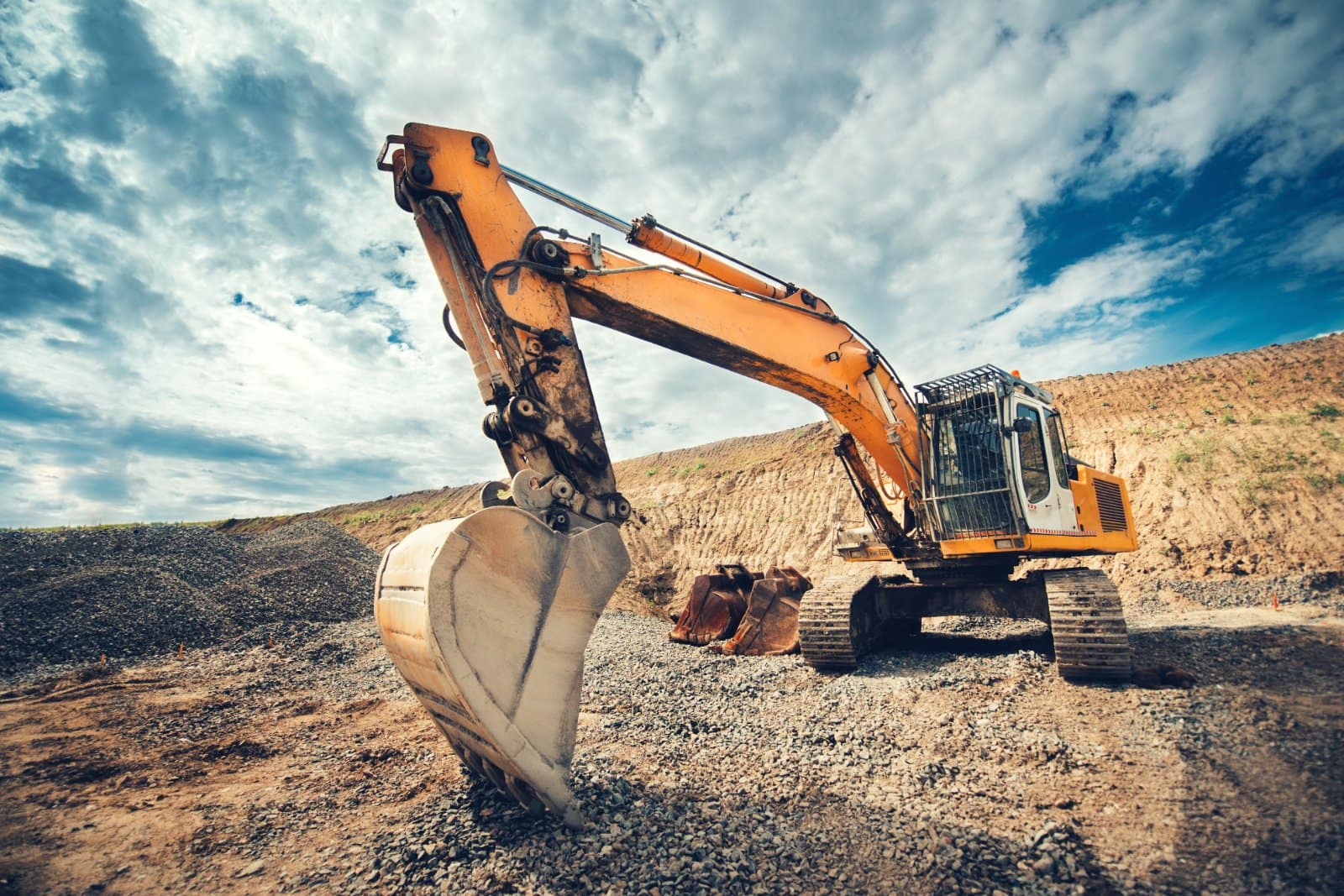
- Excavators, skid steers and earthmoving machinery — see excavator finance and earthmoving equipment finance
- Trucks, utes, vans and trailers
- Tractors and agricultural machinery — see tractor finance and farm equipment finance
- Forklifts, telehandlers and materials-handling gear
- Workshop, manufacturing and processing equipment
- Tools, generators and portable plant
If it has a serial number, a resale market and earns you money, it can usually be financed.
What lenders check on a used asset
This is where used finance differs from new. Because a second-hand asset carries more risk, lenders look closely at:
| Factor | What lenders want to see | Why it matters |
|---|---|---|
| Age at end of term | Most lenders cap the asset age at 10–15 years by loan maturity | An asset too old to resell weakens their security |
| Hours / kilometres | Reasonable usage for the asset age | High hours can shorten remaining working life |
| Condition & service history | Evidence it has been maintained | Protects resale value |
| Sale type | Dealer, auction or private | Private sales may need an inspection or valuation |
| Purchase price vs market value | Price in line with comparable sales | Over-paying reduces the loan-to-value the lender will fund |
Newer, well-maintained assets from a dealer are the easiest to approve. Older or private-sale assets are still very financeable — they just may need a valuation or a slightly larger deposit.
Your finance structure options
Used equipment is most commonly funded with one of these:
- Chattel mortgage — you own the asset from day one; the lender holds a mortgage over it until the loan is paid out. Popular with GST-registered businesses. Learn more on our chattel mortgage page.
- Finance lease — the lender owns the asset and leases it to you; useful for managing cash flow.
- Commercial hire purchase — you hire the asset and take ownership after the final payment.
A low-doc loan can also be an option if you are self-employed and do not have up-to-date financials.
Worked example
Say you are buying a five-year-old excavator for $85,000 with a $5,000 deposit, financed over four years. At the end of the term the asset would be nine years old — comfortably inside most lenders age limits, so approval is straightforward for a business with a clean repayment history. Use our equipment finance calculator to estimate repayments before you apply.
Figures are an example only and not a quote. Actual rates, fees and terms depend on the lender, the asset and your circumstances.
Limitations and things to watch
- Very old assets (typically 15+ years at end of term) can be harder to fund and may need a specialist lender.
- Private-sale purchases usually require the seller payout details and may need an independent inspection.
- Auction purchases often settle fast — get your finance pre-assessed first so you are not caught short.
Get it sorted
If you have found the right used asset, the fastest path is to get your finance assessed before you commit. Explore our full equipment finance options or apply now and we will match you to the right lender.
Frequently asked questions
Can I finance used equipment bought privately?
Yes. Private-sale purchases are financeable — the lender will usually need the seller details and may require an inspection or valuation to confirm the asset condition and value.
How old can equipment be to still get finance?
Most lenders want the asset to be no older than 10–15 years by the end of the loan term. Older assets can still be funded through specialist lenders, sometimes with a larger deposit.
Do I need a deposit for used equipment finance?
Not always. Many businesses with a solid trading and repayment history can access no-deposit finance, though a deposit can help with older or private-sale assets.
Is used equipment finance tax-deductible?
The interest and depreciation on business-use assets are generally deductible, and a chattel mortgage may let a GST-registered business claim the GST on the purchase. Speak to your accountant about your situation.
How fast can I get approved?
With a clean history and a standard asset, approvals can come through within a day. Getting pre-assessed before you buy is the quickest route.
Written and reviewed by the Finance Director at Tradie Finance.
This article is general information only and does not constitute credit or financial advice. Tradie Finance operates under Australian Credit Licence 506065 (Five Tees Pty Ltd). Lending is subject to approval, lending criteria, terms, conditions and fees.