Quick answer: Asset finance is how a business funds the things it needs to operate — vehicles, machinery, equipment, tools and other business assets — and spreads the cost over the asset’s working life instead of paying up front. The asset itself usually acts as security, which keeps the structure efficient. The right setup depends on the asset and how your business uses it: the main structures are chattel mortgage, commercial hire purchase, finance lease and rental or operating lease. Built for tradies — but we finance businesses of every kind.
Apply now → · 60-second pre-approval · Call 1300 879 872
What is asset finance?
Asset finance is a category, not a single product. It covers any finance used to acquire a business asset and repay it over time, with the asset typically used as security. Because the lender holds security in the asset, asset finance is usually a sharper way to fund a purchase than an unsecured loan — and it keeps your cash in the business. It is the umbrella over a lot of the finance tradies and businesses use every day:
- Vehicles — utes, vans, trucks, trailers and other work vehicles
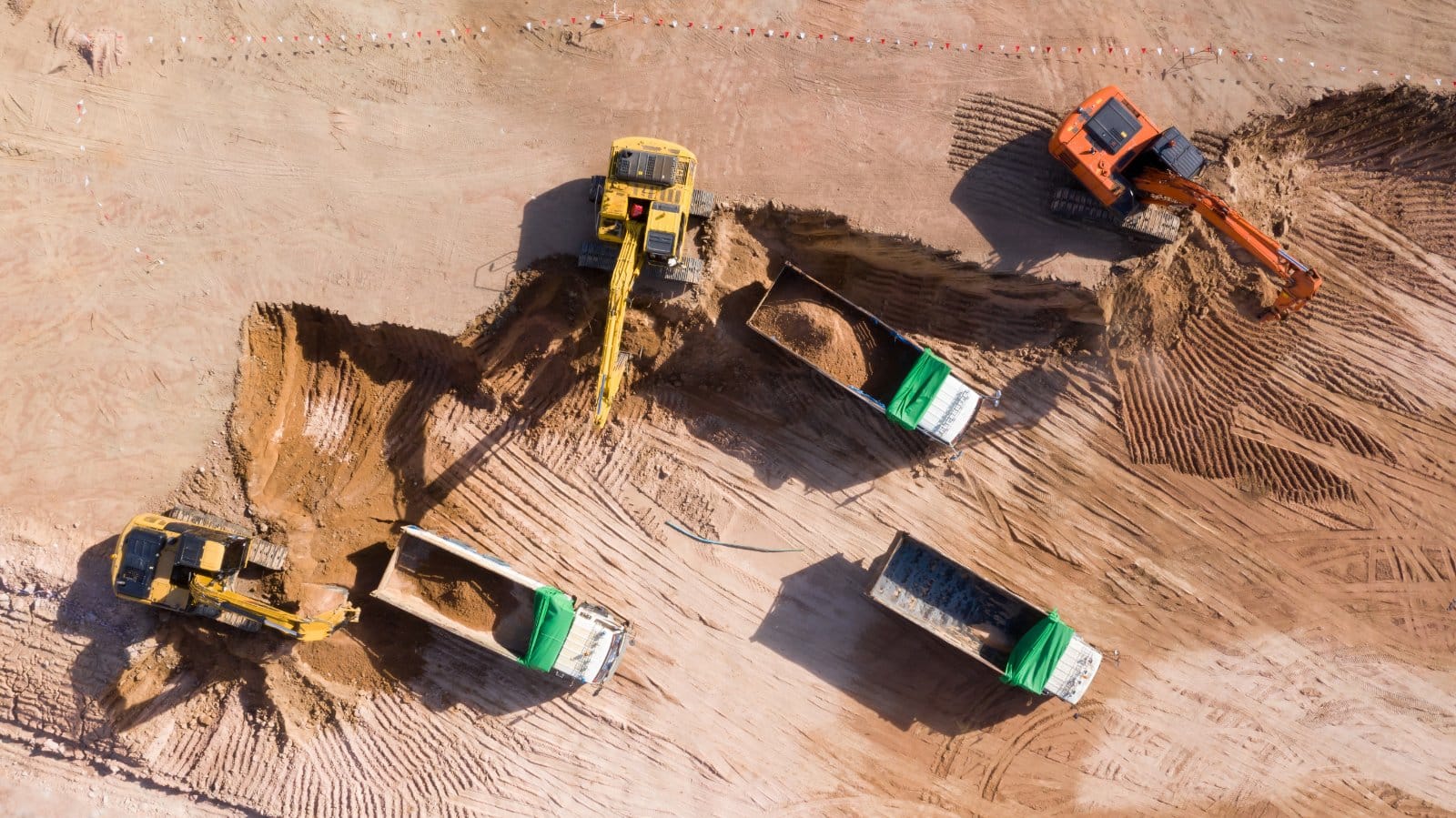
- Machinery & plant — excavators, skid steers, tractors, cranes, earthmoving gear
- Equipment & tools — workshop gear, fit-out, tech and smaller tools
- Other business assets — where a lender will take the asset as security
If you know the asset you want, we match it to the right structure and lender.
The main asset finance structures
Each structure changes who owns the asset, how GST and tax are treated, and what happens at the end of the term. This is general information — your accountant confirms the tax treatment for your situation.
| Structure | How it works | Often suits |
|---|---|---|
| Chattel mortgage | You own the asset from day one; the lender takes a mortgage over it. | ABN holders wanting ownership plus potential GST/depreciation benefits |
| Commercial hire purchase | The lender buys the asset and hires it to you; ownership transfers after the final payment. | Businesses wanting fixed terms without immediate ownership |
| Finance lease | The lender owns the asset and leases it to you for a fixed term with a residual. | Preserving cash with predictable rental payments |
| Rental / operating lease | Shorter-term use without ownership intent; hand back or upgrade at the end. | Assets you refresh regularly |
| Low-doc asset finance | Reduced-documentation options for ABN holders without full financials. | Self-employed / newer ABNs |
Learn the workhorse structure in detail on our chattel mortgage page, compare commercial hire purchase, or see low-doc loans if you do not have full financials.
Asset finance by what you are buying
- Work vehicles — truck finance, heavy vehicle finance, commercial vehicle finance, utes and vans, and ABN car finance. Hospitality operators can also fund a fit-out on wheels with food truck finance, or a fixed-premises venue with hospitality equipment finance.
- Machinery & plant — equipment finance covers tools, plant and machinery; asset-specific pages cover excavators, cranes, tractors and skid steers. Businesses in South East Queensland can start with Brisbane equipment finance. Specialist verticals include medical equipment finance for practices and clinics.
- Business growth — pair asset finance with working capital: unsecured business loans, invoice finance and a business line of credit.
Why finance an asset instead of paying cash
- Keep working capital for wages, materials and jobs rather than tying it up in one purchase.
- Match cost to use — pay for the asset as it earns for you across its working life.
- Structure choice — pick ownership, GST timing and end-of-term outcome that suit the business.
- Potential tax treatment — depending on structure and use (confirm with your accountant).
Who we finance
Built for tradies — but we finance businesses of every kind: sole traders and ABN holders, self-employed, newer businesses and established companies. If you have an asset to fund and a way to service it, talk to us; we will find the structure and lender that fit.
Apply now → · Estimate repayments with our calculators
Frequently asked questions
What is asset finance?
Asset finance is funding used to buy a business asset — a vehicle, machine, piece of equipment or tools — and repay it over the asset’s working life, with the asset usually used as security. It is the category that covers chattel mortgage, hire purchase and lease structures.
What is the difference between asset finance and equipment finance?
Equipment finance is one part of asset finance — it covers tools, plant and machinery. Asset finance is the wider category that also includes vehicles and other business assets. Choose asset finance for the broad view; see our equipment finance page for machinery specifically.
What can I fund with asset finance?
Work vehicles (utes, vans, trucks, trailers), machinery and plant (excavators, skid steers, tractors, cranes), equipment and tools, and other business assets a lender will secure against.
Which asset finance structure is best?
It depends on the asset and how your business uses it — chattel mortgage for ownership from day one, hire purchase or lease where that suits cash flow and tax. We compare structures and lenders; your accountant confirms the tax treatment.
Can I get asset finance as a sole trader or new ABN?
Often yes — low-doc asset finance exists for ABN holders without full financials. The right lender depends on your ABN age, the asset and how you service the loan.
Written and reviewed by the Finance Director at Tradie Finance.
This is general information only and not credit or financial advice; it does not consider your objectives or situation. Tradie Finance operates under Australian Credit Licence 506065 (Five Tees Pty Ltd). Business asset finance is subject to approval, lending criteria, terms, conditions and fees; any rates or examples are indicative and subject to change. Confirm tax treatment with your accountant.