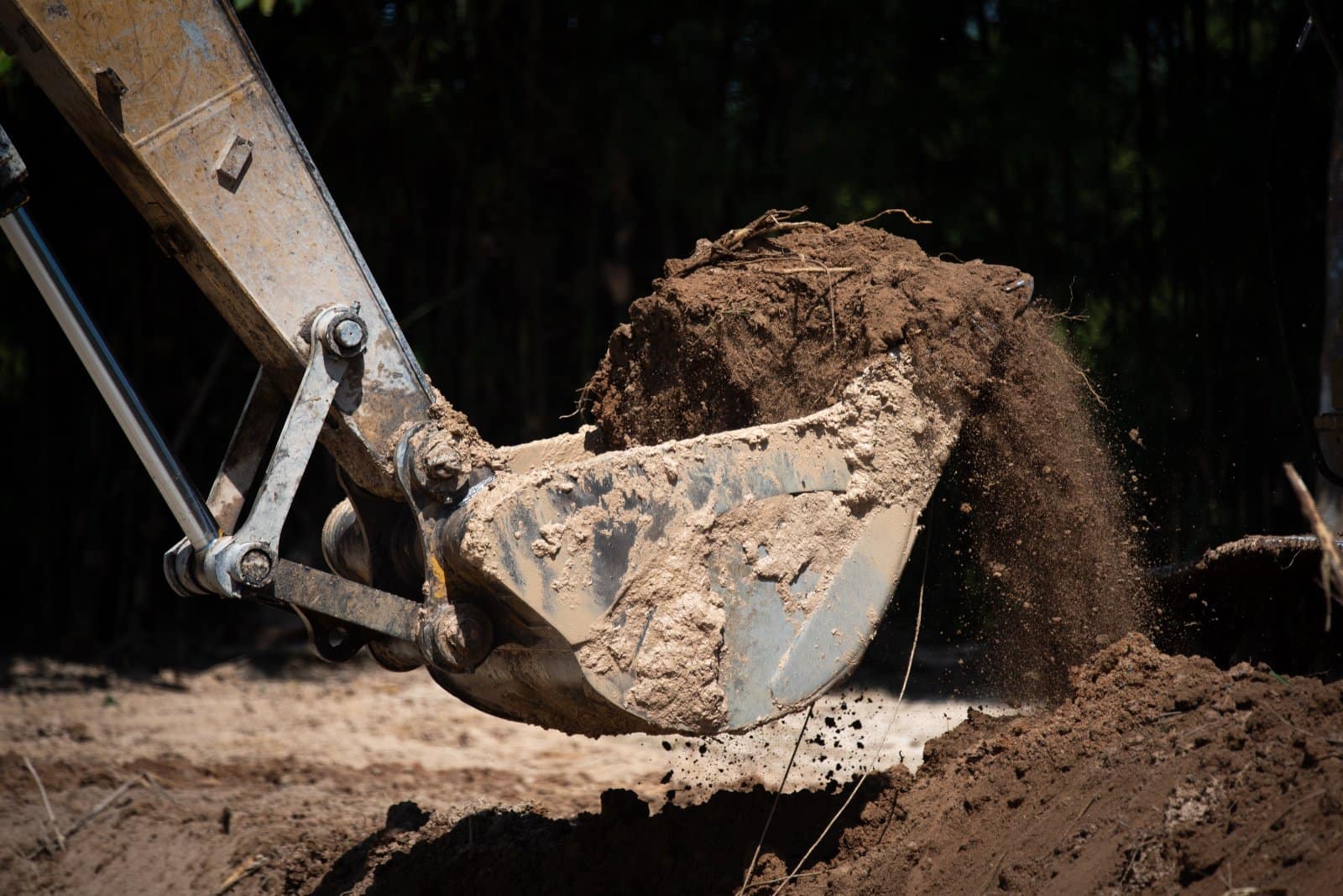
Earthmoving equipment finance lets civil, excavation and landscaping businesses fund the machines they run — excavators, dozers, wheel loaders, graders, skid steers and backhoes — without tying up working capital in a single lump-sum purchase. For most Australian trade and civil operators the machine pays for itself out of the jobs it wins, so spreading the cost over its working life (and matching repayments to cash flow) usually makes more sense than buying outright. This guide covers how the finance works, the structures lenders offer, what shapes your rate, and a worked repayment example. Heavy machinery finance — for excavators, dozers, graders, loaders and similar plant — is arranged the same way.
Who it’s for
This is finance for the business that operates the machine — sole traders and companies with an ABN, from an owner-operator running one 5-tonne excavator to a civil contractor building out a fleet. It suits new and used gear, dealer and private purchases, and works alongside low-doc options if you don’t have full financials.
What earthmoving equipment finance covers
Lenders on our panel fund the full spread of earthmoving and site plant, including:
- Excavators (mini through to 30-tonne-plus) and backhoes
- Bulldozers and track/skid-steer loaders
- Wheel loaders, graders and scrapers
- Rollers, compactors and trenchers
- Attachments financed with the base machine (buckets, augers, hammers)
Single-asset pages like our excavator finance guide go deeper on one machine; this page is the category view for a mixed purchase or a fleet.
Finance structures — which one fits
| Structure | How it works | Best for |
|---|---|---|
| Chattel mortgage | You own the machine from day one; lender holds a mortgage over it | Businesses claiming GST up front and depreciation — see chattel mortgage |
| Finance lease | Lender owns the asset, you lease it and can buy the residual | Preserving cash, off-balance-sheet preferences |
| Hire purchase / CHP | You hire and take ownership after the final payment | Fixed terms, predictable end date |
| Rent-to-own / operating lease | Pure usage; hand it back or buy at term | Short project windows, uncertain future need |
A balloon (residual) lowers the monthly repayment but leaves a lump sum at the end — useful for cash flow, but plan for it. Our equipment finance calculator lets you test a balloon against a nil-balloon term.
What shapes your rate
- New vs used — near-new machines with strong resale attract sharper rates; older or high-hour gear costs more to fund.
- Deposit / trade-in — money down reduces the lender’s exposure and can improve the rate.
- Term vs asset life — lenders match the term to the machine’s useful life (often 3–7 years).
- Business profile — time in business, ABN/GST registration, and full-doc or low-doc.
- Balloon size — a larger residual lifts the effective cost even as it lowers the monthly.
Worked example (illustration only)
A civil contractor finances a used 13-tonne excavator at $120,000 over 5 years with a 10% balloon and no deposit. At an indicative rate, that lands around a weekly repayment in the mid-$500s, with the balloon due at term. Change the amount, term, rate or balloon and the numbers move — run your own in the equipment finance calculator. Figures are estimates only, not a quote or an offer of finance.
New or used — does it matter?
Used earthmoving gear is financeable and often the smart buy, but lenders look harder at age, hours and serviceability, and may shorten the term on older machines. A recent service history and a realistic resale position help. Private-sale purchases are fine on our panel, with the lender verifying the asset and payout. For related site plant, see our plant machinery finance guide.
Limitations to keep in mind
Finance approval depends on the asset, your business profile and lending criteria. Rates, fees and residuals vary by lender; a balloon must be planned for; and quotes are indicative until a lender assesses your application. This page is general information, not credit advice.
Apply for earthmoving equipment finance →
Frequently asked questions
Can I finance used earthmoving equipment?
Yes. Used excavators, loaders and dozers are commonly financed. Lenders assess age, hours and condition and may adjust the term or rate on older machines, but private and dealer used purchases are both fine on our panel.
Do I need a deposit for earthmoving equipment finance?
Not always. Many businesses finance the full amount, especially with a strong ABN/GST profile. A deposit or trade-in can improve your rate by reducing the lender’s exposure.
What’s the difference between a chattel mortgage and a lease for earthmoving gear?
With a chattel mortgage you own the machine from day one and the lender holds a mortgage over it, which suits businesses claiming GST and depreciation. With a lease the financier owns the asset and you lease it, often with a residual to buy it out later.
Can I get earthmoving finance with an ABN but no full financials?
Often yes, through low-doc options that rely on your ABN/GST registration and asset security rather than full financial statements. Terms may differ from full-doc lending.
How long can I finance an excavator or dozer for?
Terms are typically 3 to 7 years, matched to the machine’s useful working life. Newer machines can attract longer terms and sharper rates than older, high-hour gear.
Written and reviewed by the Finance Director at Tradie Finance.
This article is general information only and does not constitute credit or financial advice. Tradie Finance operates under Australian Credit Licence 506065 (Five Tees Pty Ltd). Lending is subject to approval, lending criteria, terms, conditions and fees. Any repayment figures are examples only and subject to change.