
For many Australian tradies, a vehicle is not just transport. It is one of the most important tools the business relies on every day. Whether you are carrying equipment between job sites, towing machinery, transporting materials, or travelling long distances for work, the right vehicle can have a direct impact on productivity, reliability, and cash flow.
That is why tradie car loans are often assessed differently from standard personal car finance. Self-employed plumbers, electricians, carpenters, landscapers, and contractors usually have different borrowing needs compared to someone purchasing a vehicle mainly for personal use.
Business income can fluctuate throughout the year, ongoing expenses can change from month to month, and work vehicles are often closely tied to how the business earns money. Because of this, lenders typically look beyond standard payslips when assessing tradie vehicle finance applications.
If you are trying to work out how work vehicle finance works, whether you can qualify with self-employed income, or what lenders actually consider during the approval process, this guide breaks it down in practical, easy-to-understand terms.
If you are still comparing broader funding options for sole traders and contractors, The Ultimate Guide to Finance Options for Australian Tradies in 2026 is worth exploring alongside this article.
How Do Tradie Car Loans Work?
Tradie car loans are designed for self-employed workers, contractors, sole traders, and small business owners who need a vehicle mainly for work purposes.
Unlike standard personal loans that rely heavily on PAYG payslips, lenders assessing tradie loans often take a broader view of a borrower’s finances. Depending on the lender, they may look at factors such as your ABN history, business bank statements, BAS lodgements, estimated annual turnover, existing debts, and how the vehicle will be used for work.
Many tradies may qualify for finance options such as:
- Low doc finance
- Chattel mortgages
- Commercial hire purchase
- Secured business vehicle loans
- New ABN vehicle finance
- Contractor vehicle finance
Most work vehicle finance terms range from one to seven years, with both fixed and variable interest rate options available.
Why Work Vehicles Matter More for Tradies
For many tradies, a vehicle is not just another business expense. It is one of the most important tools keeping the business moving.
A reliable ute or van can improve efficiency, reduce downtime, protect expensive tools, and help create a more professional image with customers. On busy worksites or long regional jobs, the right vehicle can make day-to-day work far more efficient and reliable.
On the other hand, constant repairs and breakdowns can quickly affect cash flow. Losing access to a work vehicle for even a day may not only lead to repair costs, but also missed jobs, project delays, and lost income.
That is why many tradies approach vehicle finance as a business decision rather than simply buying a car.
The right vehicle often comes down to the type of work you do every day. A sole trader electrician may prioritise secure tool storage and fuel efficiency, while a concreter towing heavy equipment may care more about towing capacity, durability, and long-term reliability than premium features.
For newer borrowers, understanding how lenders assess repayments and affordability can make the process much easier. Our small auto loans guide covers some of the basics in more detail.
How Tradie Car Loans Work

Traditional car loans are usually designed around salaried employees with steady weekly income. Tradie vehicle finance works differently because self-employed income is not always consistent throughout the year.
A landscaper may experience slower periods during winter, while a contractor handling commercial fit-outs could have several strong income months followed by quieter stretches between projects.
Because of this, lenders often take a broader view when assessing tradie borrowers. Rather than relying only on standard payslips, they may also look at factors such as:
- Business revenue patterns
- GST registration
- Length of ABN operation
- Consistency of invoices
- Bank account conduct
- Existing contracts
- BAS statements
- Tax returns
The vehicle itself usually acts as security for the loan, which can help reduce borrowing costs compared to unsecured finance.
Many tradies also choose finance instead of paying upfront in cash because preserving working capital is important for business stability. Spending $60,000 on a new ute could leave less available for tools, wages, materials, or unexpected business expenses.
Financing a Ute or Work Vehicle
Ute finance Australia remains one of the most common forms of tradie vehicle finance.
Dual-cab utes are especially popular because they offer flexibility for both business and personal use. They also provide towing capability, storage space, and durability suited to Australian worksites.
Popular choices among Australian tradies often include:
- Toyota Hilux
- Ford Ranger
- Isuzu D-MAX
- Mitsubishi Triton
- Nissan Navara
- Toyota HiAce
- Volkswagen Crafter
Still, the best work vehicle depends heavily on the type of work you do each day.
A mobile electrician working mostly in metro areas may prioritise fuel efficiency and secure internal storage. Meanwhile, a rural fencing contractor may care more about towing capacity, tray space, and off-road performance.
Before applying for a tradie loan, it is important to think beyond the purchase price alone.
Many borrowers underestimate how quickly ongoing costs add up once the vehicle is on the road. Fuel, servicing, tyres, insurance, registration, and storage fit-outs can all have a noticeable impact on monthly cash flow.
That is one reason many experienced tradies focus on practical reliability over unnecessary upgrades.
What Is the Smartest Way to Finance a Vehicle?
The smartest way to finance a vehicle depends on how the vehicle will be used and how comfortably the repayments fit within your business cash flow.
For many Australian tradies, the goal is not simply finding the cheapest repayment possible. It is finding a finance structure that keeps the business stable while still allowing room for growth.
One common mistake newer contractors make is borrowing right at the maximum limit they are approved for. While the repayments may look manageable during busy months, they can become difficult during slower periods or unexpected downturns.
It also helps to match the loan term to how long you realistically expect to keep the vehicle.
For example, a heavily used work ute doing long regional trips every week may not be something you plan to keep for eight years. In that case, a shorter finance term could make more sense despite slightly higher repayments.
Tradies should also think carefully about balloon payments. Lower monthly repayments can help cash flow, but the larger lump sum owing at the end of the loan still needs proper planning.
A practical vehicle with affordable repayments often creates less financial stress than stretching the budget for a premium model that does not improve business productivity.
If you want a better understanding of how vehicle finance rates and repayments are calculated, “How Vehicle Loan Interest Rates Work in Australia” explains why borrowing costs can vary so much between lenders.
Can Self-Employed Tradies Get Approved?
Yes, self-employed car loans are extremely common in Australia.
Many lenders specifically work with contractors, sole traders, and small business owners because self-employed borrowers make up a large part of the commercial vehicle market.
That said, approval usually comes down to how strong your overall financial position looks. Lenders typically want to see that:
- Your business generates consistent income
- You can comfortably manage repayments
- Existing debts are under control
- Your banking conduct is stable
- The vehicle genuinely supports business use
For example, a plumber with two years of steady BAS statements and healthy business banking will generally appear lower risk than someone with irregular account activity or missed repayments.
Even newer businesses are not automatically excluded from finance. Many tradies with solid industry experience and reliable income can still qualify through specialist lenders or low doc finance options.
New ABN Vehicle Finance
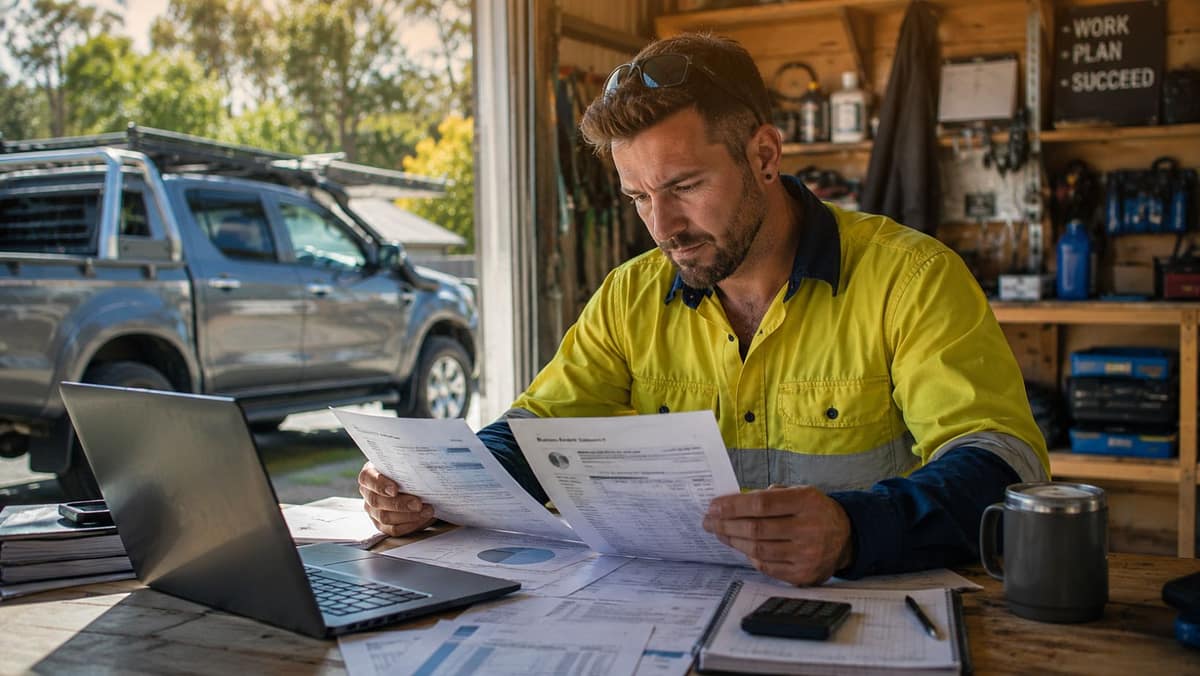
One of the most common questions newer contractors ask is whether they can get approved for vehicle finance with a recently registered ABN.
The answer is yes, although approval can sometimes be more complex compared to borrowers with longer business histories.
Some lenders prefer applicants with at least 12 months of ABN history, while others may still consider businesses operating for only a few months if the overall application is strong.
For example, a tradie with solid financial habits and consistent incoming work may still qualify even with a newer business. Lenders will often look more closely at factors such as:
- Personal credit history
- Business bank statement conduct
- Existing debt levels
- Industry experience
- Reliability of current income
This is where specialist lenders and flexible ABN car loan options can become useful for self-employed borrowers who are still building financial history.
If your tax returns are not fully established yet, Low Doc Loans may provide alternative pathways using BAS statements or business banking history instead of traditional income verification.
Low Doc Finance Options for Tradies
Low doc finance exists because many self-employed Australians do not always have the same paperwork as PAYG employees. A tradie running their own business may have strong income and steady work, but limited tax documentation available at the time of applying.
Instead of relying entirely on full tax returns, some lenders may accept alternative documents such as:
- BAS statements
- Accountant declarations
- Business bank statements
- GST registration records
- Asset statements
Low doc finance can be especially useful for tradies who recently became self-employed, have fluctuating seasonal income, or are still finalising their latest tax returns. It can also help borrowers who claim substantial business deductions that reduce their taxable income on paper.
That said, low doc lending can sometimes come with stricter conditions compared to standard vehicle finance. Depending on the lender, borrowers may face higher interest rates, larger deposit requirements, lower borrowing limits, or restrictions on older vehicles.
Even so, low doc finance can still be a practical option for tradies focused on protecting business cash flow while continuing to grow their operations.
Fixed vs Variable Interest Rates
Choosing between fixed and variable interest rates is one of the bigger decisions when financing a work vehicle. The right option often depends on how stable your cash flow is and how comfortable you are with repayment changes over time.
Fixed-rate loans are popular with many tradies because they provide predictable repayments throughout the loan term. For self-employed borrowers dealing with fluctuating income, that consistency can make budgeting much easier. Knowing exactly what the monthly repayment will be can help when managing supplier costs, fuel expenses, wages, and quieter work periods.
Another advantage of fixed rates is protection against interest rate increases. However, some fixed-rate loans may limit extra repayments or make early payouts less flexible.
Variable-rate loans work differently because repayments can rise or fall depending on market conditions. These loans may offer greater flexibility, easier refinancing opportunities, and additional repayment features. For some tradies, that flexibility can be useful during busy periods when they want to pay down the loan faster.
The downside is that repayment amounts can change over time. For contractors with inconsistent monthly income, fluctuating repayments may create additional pressure during slower business periods.
What Lenders Look for in Tradie Borrowers
Lenders do not assess tradie loans based on income alone. In most cases, they look at the overall financial picture to determine whether the repayments are likely to remain manageable over time.
One of the first areas lenders review is credit history. A strong repayment record can improve approval chances significantly, while unpaid debts, defaults, or missed repayments may reduce borrowing power.
Business stability also plays a major role. Lenders generally prefer applicants with consistent incoming revenue, healthy banking conduct, and steady work activity over time.
Existing financial commitments are important as well. Large personal debts, multiple active loans, or high credit card balances can affect serviceability calculations and reduce the amount a borrower may qualify for.
The vehicle itself can also influence the assessment. Work vehicles that are clearly tied to business income are often viewed more favourably than high-end personal vehicles with limited commercial use.
In some cases, having a larger deposit may also improve the loan structure. A lower loan amount can reduce lender risk and potentially lead to better borrowing terms.
Work Vehicle Budgeting for Tradies
Many tradies focus heavily on the vehicle purchase price while overlooking the long-term impact on business cash flow.
The monthly repayment is only one part of the overall ownership cost. Once the vehicle is on the road, ongoing expenses can quickly add up, including:
- Fuel
- Insurance
- Registration
- Servicing
- Tyres
- Emergency repairs
- Tool storage fit-outs
A vehicle that stretches the budget too aggressively can create financial pressure during slower work periods.
For example, a sole trader earning variable weekly income may benefit more from manageable repayments and stronger savings buffers than chasing the newest high-spec ute available.
This becomes even more important when balancing supplier costs, GST obligations, wages, and seasonal fluctuations in work volume.
What Is a Good Credit Score for a $30,000 Car Loan?
There is no single credit score that guarantees approval for a $30,000 car loan in Australia. Different lenders assess borrowers differently, especially when the applicant is self-employed or using the vehicle mainly for work purposes.
In most cases, borrowers with strong repayment history, stable income, and manageable existing debts will usually have access to more competitive loan options and lower interest rates.
That said, having a lower credit score does not automatically rule out approval. Some specialist lenders may still consider tradies with imperfect credit, particularly if business income is steady and the vehicle will directly support income generation.
For many self-employed borrowers, lenders are often more focused on whether the repayments realistically fit within ongoing business cash flow rather than looking at the credit score alone.
Common Mistakes Tradies Make When Financing Vehicles
One of the biggest mistakes tradies make is borrowing for a vehicle that is far more expensive than the business actually needs. A premium ute might look great on-site, but larger repayments can put unnecessary pressure on cash flow, especially during slower periods of the year.
Another common issue is focusing only on the monthly repayment while overlooking the real cost of running the vehicle long term. Fuel, insurance, servicing, tyres, registration, and maintenance can add up quickly, particularly for tradies covering long distances every week.
Some borrowers also choose loan structures that are not ideal for commercial use. Depending on how the vehicle is used, business lending options may be more suitable than a standard personal car loan.
Interest rates are another area that often causes confusion. Many tradies focus only on the advertised rate without looking closely at fees, repayment conditions, or the total cost of the loan over time.
Vehicle reliability is also something many borrowers underestimate. A cheaper older ute that regularly breaks down can end up costing far more in missed work, delayed jobs, and repair bills than a slightly higher repayment on a newer and more dependable vehicle.
When Truck Finance May Be More Suitable
Not every tradie vehicle fits within standard car finance categories. Businesses using larger commercial vehicles often require more specialised truck finance solutions instead.
This is more common for tradies working with vehicles such as:
- Tipper trucks
- Heavy transport vehicles
- Large delivery vehicles
- Construction transport equipment
Truck finance is usually assessed differently from standard work vehicle finance because lenders often consider factors like higher vehicle costs, heavier commercial usage, and long-term depreciation differently.
If your business depends heavily on larger commercial transport, Truck Finance may offer a more suitable solution than standard tradie vehicle finance.
Choosing the Right Work Vehicle
The best work vehicle is not always the newest or most expensive option. For most tradies, the smarter choice is usually the vehicle that best matches the day-to-day demands of the business.
That can include things like towing capacity, fuel economy, storage space, maintenance costs, and how far the vehicle needs to travel regularly. A tradie working mostly in metro areas may prioritise compact access and lower fuel costs, while someone towing heavy equipment across regional areas may need far greater durability and pulling power.
It is also important to think long-term. A cheaper vehicle with constant repair issues can end up costing far more in downtime and maintenance than a slightly newer model with better reliability.
In most cases, practicality, reliability, and running costs should carry more weight than appearance alone.
Cash Flow Considerations for Tradies
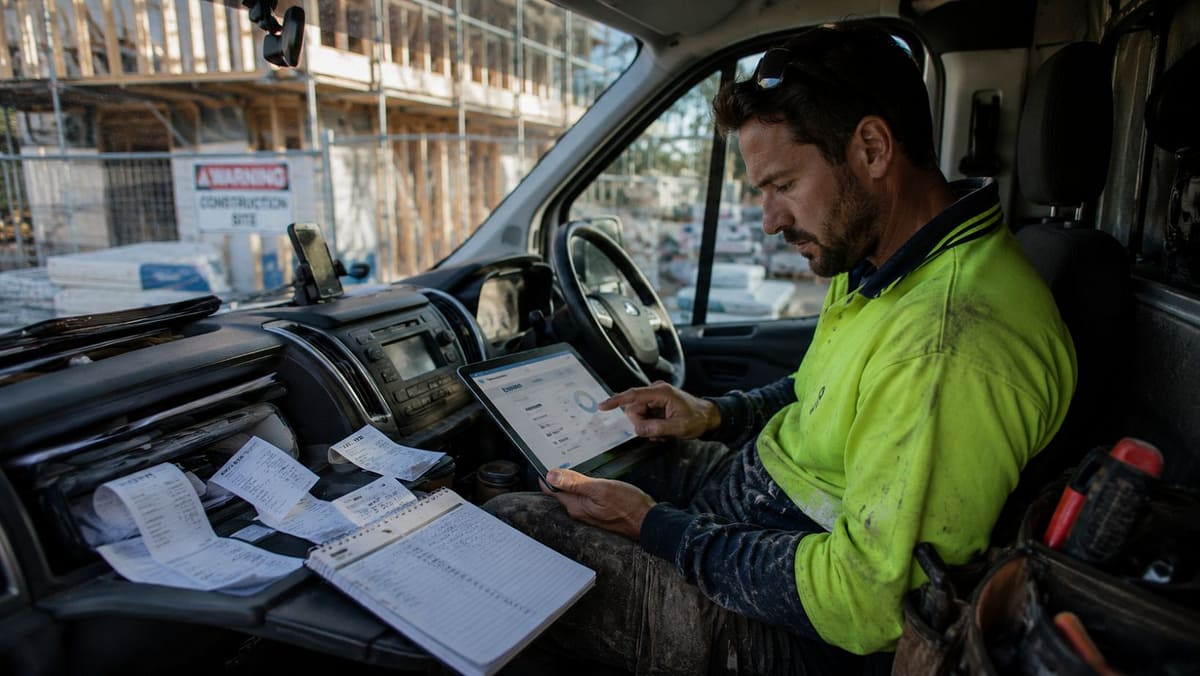
Cash flow is one of the most overlooked aspects of tradie vehicle finance.
Many contractors deal with uneven payment cycles because builders, subcontractors, or commercial clients do not always pay immediately. That can create pressure when loan repayments remain fixed while fuel prices rise, unexpected repairs come up, or work slows seasonally.
A sustainable repayment structure is usually far more important than simply qualifying for the biggest possible loan.
Some tradies intentionally choose slightly older vehicles so they can maintain stronger cash reserves for wages, equipment, or future business growth. Others prefer lower repayments during expansion periods before upgrading later, once revenue becomes more stable.
This is why work vehicle finance decisions should always connect back to broader business planning rather than impulse buying.
Tradie Finance regularly helps Australian tradies explore finance solutions that better fit the realities of self-employed income, commercial vehicle usage, and day-to-day business cash flow.
FAQs About Tradie Car Loans
What is the 20/3/8 rule?
The 20/3/8 rule is a vehicle budgeting guideline designed to help borrowers avoid taking on repayments that may become difficult to manage over time. In general, it recommends putting down at least a 20% deposit, financing the vehicle for no longer than three years, and keeping total vehicle expenses below 8% of gross income.
While work vehicles do not always fit neatly within standard budgeting formulas, many tradies still use this rule as a rough guide when deciding how much they can realistically afford to borrow.
What is the 20/4/10 rule?
The 20/4/10 rule is another common budgeting approach used when assessing vehicle affordability. The guideline recommends a 20% deposit, a maximum four-year loan term, and keeping overall vehicle costs below 10% of monthly income.
For tradies and self-employed contractors with fluctuating income, this approach can help reduce financial pressure during slower work periods or seasonal downturns.
Can tradies get car loans with a new ABN?
Yes. Some lenders offer new ABN vehicle finance for tradies with strong personal credit, stable banking conduct, and reliable work history, even if the business itself is relatively new.
Approval requirements can vary depending on the lender, the length of ABN registration, and the overall financial position of the borrower.
Can you finance a ute through your business?
Yes. Many Australian tradies finance utes directly through their business using commercial vehicle finance structures designed for work-related use.
Depending on the business structure and how the vehicle is used, there may also be tax considerations or deductions available. Because every situation is different, it is usually worth discussing this with an accountant before choosing a loan structure.
Final Thoughts
Tradie car loans are about far more than simply purchasing a vehicle. The right finance setup can help support business growth, protect cash flow, reduce operational stress, and keep your business moving efficiently.
Whether you are financing your first ute, upgrading an ageing work vehicle, comparing low doc options, or exploring contractor vehicle finance, understanding how lenders assess self-employed borrowers can make the process far easier.
If you are still weighing up repayments or trying to understand what may fit within your budget, the Tradie Finance calculators can also help you estimate borrowing costs and repayment scenarios before applying.
Tradie Finance helps Australian tradies explore flexible vehicle and equipment finance solutions designed around the realities of self-employed work, commercial vehicle usage, and fluctuating business income.