
Buying your first vehicle can feel like a major milestone, especially when you’re trying to balance work expenses, business costs, and everyday living at the same time.
For many Australians, particularly tradies, contractors, apprentices, and self-employed workers, reliable transport is essential for earning income. Whether it’s a used ute for carrying tools, a small van for deliveries, or a practical work vehicle for travelling between job sites, having access to finance can make getting on the road far more achievable.
But many first-time borrowers rush into vehicle finance without fully understanding how repayments, interest rates, or loan terms actually work. That can create unnecessary financial pressure later on.
For borrowers comparing different finance pathways, our Ultimate Guide to Finance Options for Australian Tradies in 2026 provides a broader overview of vehicle, equipment, and business finance solutions available to self-employed Australians.
This guide explains what first-time borrowers in Australia should know before applying for a small auto loan, including how lenders assess applications, common mistakes to avoid, and how to choose finance that realistically fits your budget.
What Is a Small Auto Loan?
A small auto loan is a vehicle finance option designed for borrowers purchasing lower-cost vehicles or borrowing smaller amounts compared to standard car loans.
These loans are commonly used for:
- Used cars
- Entry-level work utes
- Small vans
- Budget-friendly vehicles
- First work vehicles
- Smaller commercial transport needs
In Australia, many lenders offer smaller vehicle loans starting from around $5,000, although exact limits vary depending on the lender and the borrower’s financial position.
For first-time buyers, a small auto loan helps spread the cost of a vehicle over manageable repayments instead of paying a large upfront amount all at once.
Why Small Auto Loans Matter for Tradies and Self-Employed Australians
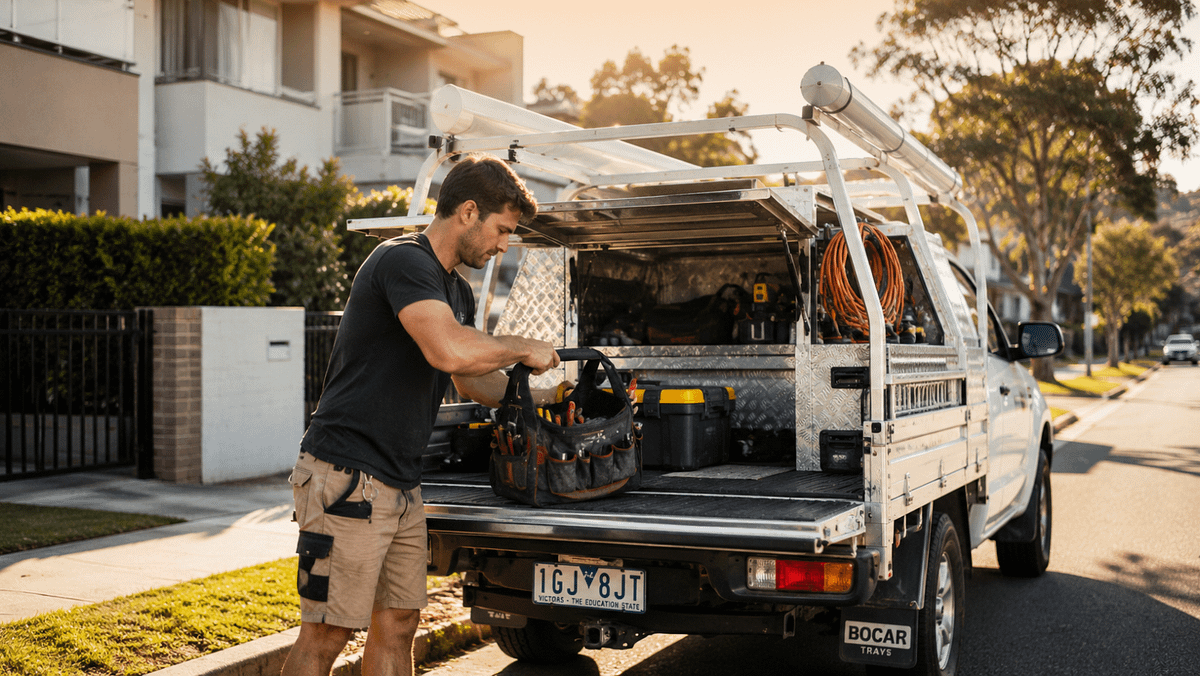
For tradies and contractors, a vehicle is rarely just a personal expense. It’s often one of the most important tools needed to earn income consistently.
A plumber may need a ute to transport equipment between jobs. An electrician might require storage space for tools and materials. A landscaper may need towing capability for machinery and trailers.
Without reliable transport, work opportunities can quickly become limited.
That’s one reason many Australians begin exploring Car Finance options early in their trade careers rather than waiting years to save the full purchase amount upfront.
For apprentices and newer business owners, especially, smaller vehicle loans can provide access to reliable transport without putting too much strain on savings or business cash flow.
How Small Auto Loans Work in Australia
A small auto loan works similarly to most other vehicle finance products.
A lender provides funds to purchase the vehicle, and the borrower repays the loan over an agreed period with interest added.
Loan terms commonly range from:
- 1 to 7 years
Repayments are usually made:
- Weekly
- Fortnightly
- Monthly
The total amount you repay depends on several factors, including:
- The loan amount
- Interest rate
- Loan term
- Vehicle type
- Fees and charges
- Deposit amount
Many first-time borrowers focus heavily on the advertised repayment figure, but the overall loan structure matters just as much.
A lower repayment spread over a longer period can sometimes cost significantly more in total interest over time.
What Should You Know Before Buying a Car in Australia?
Before applying for finance, it’s important to think beyond simply getting approved.
A vehicle needs to fit your long-term financial situation, not just your short-term excitement about upgrading.
Many first-time buyers underestimate how expensive vehicle ownership can become once ongoing costs are added into the picture. Loan repayments are only one part of the equation.
You also need to budget for:
- Fuel
- Insurance
- Registration
- Servicing
- Tyres
- Repairs
- Roadside assistance
For self-employed Australians, these costs can become even more important during slower work periods when income fluctuates.
It’s also worth thinking carefully about how the vehicle will actually be used day to day. A tradie carrying heavy tools and equipment may prioritise storage and towing capacity, while a contractor travelling long distances might focus more on fuel efficiency and reliability.
Choosing a vehicle that supports your work needs without overstretching your budget is usually the smarter long-term decision.
Understanding Interest Rates Before You Borrow
Interest rates play a major role in determining the total cost of your loan.
Many borrowers compare repayment amounts without looking closely at how interest affects the overall amount repaid over several years.
For example, extending a loan term may reduce weekly repayments, but it can also increase the total interest paid significantly.
This is especially important for self-employed borrowers trying to manage business cash flow carefully.
Before signing any finance agreement, it helps to understand:
- Fixed vs variable interest rates
- Comparison rates
- Loan flexibility
- Balloon payments
- Early repayment conditions
If you want a deeper breakdown of rates, repayments, and lender calculations, our guide on How Vehicle Loan Interest Rates Work in Australia explains how different loan structures can affect the total cost of borrowing.
What Lenders Look for in First-Time Borrowers
Applying for vehicle finance for the first time can feel intimidating, but lenders generally focus on a few core areas.
Income and Affordability
Lenders want to see that repayments can realistically fit within your budget.
Depending on your situation, they may request:
- Payslips
- Tax returns
- Bank statements
- BAS statements
- Business income records
For self-employed borrowers, proving income sometimes looks different compared to standard PAYG employees. This is why some contractors and sole traders explore Low Doc Loans when traditional paperwork requirements become difficult to meet.
Credit History

Your credit history helps lenders assess how you’ve managed previous financial commitments.
They may review:
- Existing debts
- Credit cards
- Previous loans
- Late payments
- Defaults
A perfect credit score isn’t always necessary, but responsible repayment behaviour can improve approval chances and help secure more competitive rates.
Employment Stability
Consistent employment or business activity can strengthen a finance application.
Borrowers with regular income, longer ABN history, or stable work contracts often appear lower risk to lenders.
That said, many specialist lenders understand the realities of self-employed and trade-based income far better than traditional banks.
What Is the Biggest Mistake First-Time Car Buyers Make?
One of the biggest mistakes first-time car buyers make is focusing only on whether they can get approved instead of whether the loan genuinely fits their budget long term.
A vehicle may seem affordable based on the repayment amount alone, but many borrowers forget to factor in the full cost of ownership.
For example, a borrower might comfortably manage a weekly repayment on paper, but once fuel, insurance, registration, servicing, and work expenses are added, the budget can become much tighter than expected.
This becomes particularly important for tradies and self-employed Australians whose income may fluctuate throughout the year.
Another common mistake is borrowing more than necessary. A newer or more expensive vehicle may look appealing, but stretching repayments too far can create unnecessary financial stress later on.
For many first-time borrowers, choosing a reliable used vehicle with manageable repayments is often the more practical financial decision.
Fixed vs Variable Interest Rates
Choosing between a fixed or variable interest rate is another important part of comparing finance options.
With a fixed rate, repayments stay consistent throughout the loan term. This can make budgeting easier, especially for borrowers managing regular business expenses and household bills at the same time.
Variable rates, on the other hand, can rise or fall depending on market conditions. While this may create opportunities for lower repayments if rates decrease, it can also lead to higher costs if rates rise unexpectedly.
There’s no universal answer regarding which option is better. The right choice usually depends on your cash flow, financial stability, and comfort with repayment changes over time.
Can Self-Employed Australians Still Get Approved?
Yes. Many lenders work with:
- Sole traders
- Contractors
- Freelancers
- Tradies
- Small business owners
Self-employed borrowers may simply need to provide alternative income verification compared to traditional employees.
In some cases, borrowers setting up or expanding a business may also look into Equipment Loans alongside vehicle finance when tools or machinery are needed at the same time.
This can sometimes help preserve working capital rather than paying for everything upfront.
Choosing the Right Vehicle for Work
Not every vehicle suits every trade or business.
Before purchasing, it helps to think carefully about how the vehicle will actually support your daily work requirements.
Questions worth asking include:
- Will the vehicle comfortably carry tools and equipment?
- Does it have enough storage?
- Is it fuel efficient for long-distance travel?
- Can it tow machinery or trailers if needed?
- Are servicing and maintenance costs reasonable?
For many tradies, reliability and practicality matter more than premium features.
A dependable used vehicle with affordable repayments can often provide better long-term value than purchasing a newer model that stretches the budget too far.
New vs Used Vehicles
Both new and used vehicles have advantages depending on your situation.
New vehicles typically offer:
- Manufacturer warranties
- Updated safety technology
- Lower maintenance costs initially
However, they also tend to come with higher purchase prices and faster depreciation.
Used vehicles are often more affordable and may allow borrowers to keep repayments lower, which can be helpful during the early stages of business growth.
Many first-time borrowers choose used vehicles because they offer a better balance between affordability and functionality.
When Larger Vehicle Finance May Be Needed
As businesses grow, vehicle requirements often change as well.
A sole trader who starts with a single ute may eventually need larger commercial vehicles to support expanding operations.
At that point, some businesses begin exploring Truck Finance options for heavier vehicles, transport equipment, or fleet expansion.
Starting with a manageable small auto loan can help borrowers build a financial history before taking on larger commercial finance commitments later on.
Practical Example: A First-Time Tradie Borrower
Imagine a young electrician in Brisbane who has recently started subcontracting independently.
They need a reliable used ute worth around $18,000 to transport tools and travel between worksites.
Rather than using all available savings upfront, they choose a smaller vehicle loan with:
- Weekly repayments
- A manageable loan term
- A modest deposit
- Fixed repayments
This allows them to keep emergency savings available for:
- Insurance
- Registration
- Fuel
- Additional tools
- Unexpected business expenses
For many Australians entering trade industries, this type of balanced approach can help reduce financial pressure while still supporting business growth.
What Should You Know Before Getting an Auto Loan?
Before applying for vehicle finance, it’s important to understand exactly what you’re agreeing to.
Many borrowers focus heavily on approval speed without carefully reviewing the loan structure itself.
Before signing, make sure you understand:
- The interest rate
- Total repayment amount
- Fees and charges
- Loan flexibility
- Early repayment conditions
- Balloon payment requirements
It’s also important to compare lenders carefully rather than applying with multiple providers at once, as several applications within a short period can sometimes affect your credit profile.
Taking time to understand the details now can help avoid financial stress later.
What Is the 20/4/10 Rule?
The 20/4/10 rule is a general budgeting guideline often used when financing a vehicle.
The rule suggests:
- Paying at least 20% upfront as a deposit
- Keeping the loan term under four years
- Limiting total vehicle expenses to no more than 10% of your monthly income
While not every borrower follows this rule exactly, it can be a useful way for first-time buyers to avoid overcommitting financially.
For self-employed borrowers or tradies with fluctuating income, keeping repayments manageable is usually more important than stretching the budget for a more expensive vehicle.
Frequently Asked Questions
Can I get a small auto loan with bad credit?
Some lenders work with borrowers who have imperfect credit histories, although approval conditions and interest rates may vary depending on the situation.
What is the minimum amount for a small auto loan in Australia?
Many lenders offer vehicle finance starting from around $5,000, although minimum borrowing amounts vary between providers.
Do I need a deposit to get approved?
Not always. Some lenders offer no-deposit vehicle finance, but contributing a deposit may reduce repayments and improve approval chances.
Can apprentices apply for vehicle finance?
Yes. Apprentices with stable employment and sufficient income may qualify depending on lender requirements and affordability assessments.
Are used vehicles easier to finance?
Used vehicles can often be more affordable for first-time borrowers, although lender policies regarding vehicle age and condition may apply.
How long does approval usually take?
Some lenders provide same-day approvals, while others may take several business days depending on documentation and application complexity.
Can self-employed tradies still qualify for vehicle finance?
Yes. Many lenders offer flexible Tradie Finance solutions designed specifically for self-employed Australians, contractors, and trade-based businesses.
Final Thoughts
Getting your first vehicle loan can feel overwhelming at first, but understanding how finance works makes the process much easier to navigate.
For Australian tradies, contractors, apprentices, and self-employed workers, reliable transport often plays a direct role in earning income and growing a business. Choosing the right vehicle and the right finance structure can help reduce financial pressure while supporting long-term work opportunities.
The key is focusing on affordability, understanding loan terms clearly, and choosing a repayment structure that realistically fits your budget.
Tradie Finance helps Australians explore flexible finance solutions tailored to tradies, sole traders, contractors, and small business owners looking for practical vehicle and equipment funding options.