Written and reviewed by the Finance Director at Tradie Finance
Quick answer: Sale and leaseback is where your business sells plant or vehicles it already owns to a financier and leases the same assets straight back. You keep using them; the capital that was locked up in them comes back onto your balance sheet as cash. It suits businesses that are asset-rich and cash-tight — and it is a different thing from simply refinancing an asset, which we explain below. It sits alongside our other asset finance structures.
How sale and leaseback works
The transaction has four steps and is usually completed in a single settlement:
- Valuation. The financier establishes what your asset is worth — usually by inspection, comparable sales, or an independent valuation for higher-value plant.
- Sale. Your business sells the asset to the financier. Title passes to them. Your business receives the sale proceeds.
- Leaseback. At the same settlement, the financier leases the asset back to you under a lease agreement, and you keep operating it without interruption.
- End of term. Depending on the structure, you make a residual payment and take title back, extend the lease, or hand the asset back.
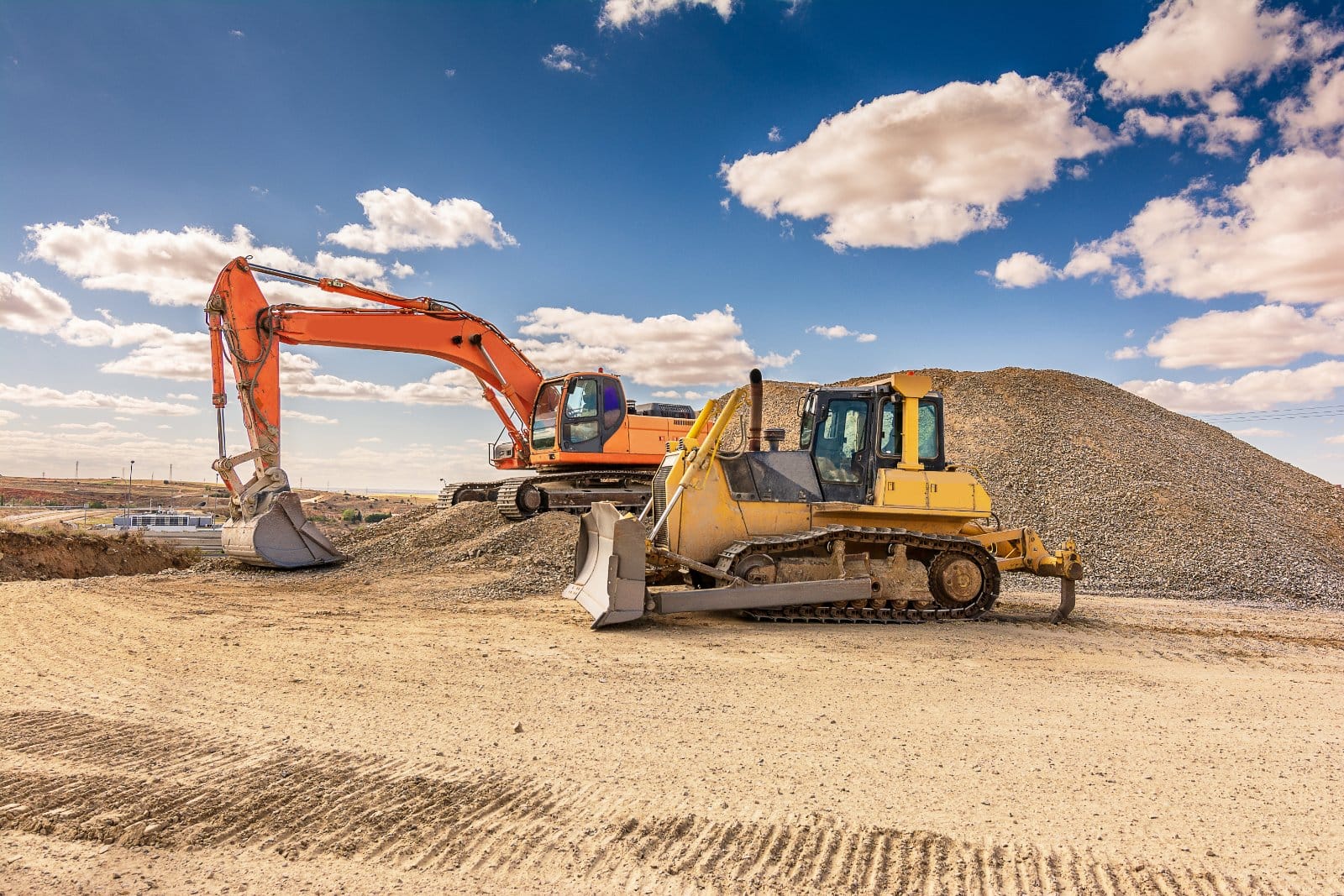
Nothing physically moves. Your excavator stays on site and your prime mover stays on the road. What changes is who owns the asset and what is sitting in your bank account.
What it is for
- Releasing working capital from assets that have been paid down or bought outright, without selling them or slowing down.
- Funding growth — a deposit on new plant, mobilisation costs on a larger contract, or a hire that has to happen before the contract starts paying.
- Smoothing cash flow where the business has strong assets but lumpy receivables.
- Restructuring — converting a large fixed asset holding into a predictable monthly commitment.
Sale and leaseback versus the alternatives
| Structure | Who holds title during the term | What it does | Typical use |
|---|---|---|---|
| Sale and leaseback | The financier — you sold it to them | Converts an owned asset into cash, then rents it back | Asset-rich, cash-tight; releasing capital from owned plant |
| Chattel mortgage | You own it from day one; the financier takes a registered security interest | Funds a purchase | Buying an asset and wanting ownership immediately |
| Commercial hire purchase | The financier, until the final payment | Funds a purchase, with title transferring at the end | Buying an asset with title deferred to the end of term |
| Finance lease | The financier | Funds the use of an asset for a term, with a residual | Wanting use rather than ownership |
| Asset refinance / equity release | You keep title; the financier registers a security interest | Lends against an owned asset without selling it | Where you want the cash but do not want to give up title |
Sale and leaseback is not the same as asset refinance
These two get used interchangeably and they should not be. In an asset refinance, you keep ownership and the financier registers a security interest over the asset — it is a loan secured by something you still own. In a sale and leaseback, there is a genuine sale: title actually changes hands, and you become a lessee of an asset you used to own.
That distinction drives everything downstream — who can dispose of the asset, how it is treated in your accounts, what happens at the end of the term, and the tax treatment. If a broker uses the two terms as synonyms, ask which one they are actually arranging.
What financiers look at
The asset itself
Sale and leaseback works best on assets with a clear, verifiable resale market — excavators, trucks, prime movers, tippers, telehandlers, cranes, agricultural plant and similar. Highly specialised or custom-built equipment is harder, because the financier is buying something they may struggle to sell if the arrangement fails.
Age and remaining life
The asset needs meaningful useful life left at the end of the proposed lease term. Older plant usually means a shorter term, a lower advance, or both.
Clear title
You cannot sell what you do not fully own. Any existing encumbrance on the PPSR has to be discharged or paid out at settlement — often out of the sale proceeds themselves.
Documentation and business standing
Expect ABN and GST registration, proof of ownership and purchase, service history on higher-value plant, and financials. Where full financials are not available, our low-doc options may be a path — subject to the lender’s criteria.
Where it works, and where it does not
| Good fit | Poor fit |
|---|---|
| Plant owned outright, or nearly so, with real resale value | Assets already heavily encumbered — there is little equity to release |
| A specific, funded purpose for the capital | Using it to cover an ongoing trading shortfall — it converts a one-off injection into a permanent new commitment |
| Assets you intend to keep using for years | Assets you were going to sell anyway — sell them properly instead |
| Mainstream, in-demand equipment | Highly specialised or custom-built plant with a thin resale market |
The second row is the one to sit with. Releasing capital from owned plant is genuinely useful when it funds something that generates a return. Used to plug a recurring hole, it removes your asset buffer and adds a monthly payment at the same time — which is a worse position than the one you started in.
Tax and accounting — talk to your accountant
Sale and leaseback has real tax and accounting consequences, and they depend on your structure, your GST position and how the arrangement is documented. In general terms, a business needs to consider:
- GST on the sale. The sale of the asset to the financier is a transaction in its own right, and the lease payments back are separate supplies.
- A balancing adjustment on disposal. If the asset has been depreciated, disposing of it can trigger an adjustment — the difference between the sale price and its adjusted value for tax purposes.
- Deductibility of lease payments, to the extent the asset is used for business purposes.
- How the arrangement is reported in your accounts, which depends on the accounting standards your business applies.
This is general information, not tax advice. The balancing adjustment in particular can produce an unexpected result in the year of the transaction, so the sequence should be: get your accountant’s view before you sign, not after settlement.
What the process looks like
- Tell us what you own — asset type, make, model, year, hours or kilometres, and whether anything is owing.
- Indicative advance — we come back with what financiers are likely to advance and on what term.
- Valuation and PPSR check — confirming value and clear title.
- Application and approval — with your ABN, financials or low-doc equivalents.
- Documentation — sale agreement and lease documented together.
- Settlement — any existing payout is cleared, proceeds are released, and the lease starts.
Sale and leaseback FAQs
What is a sale and leaseback?
It is an arrangement where a business sells an asset it owns to a financier and immediately leases the same asset back. The business keeps using the asset without interruption and receives the sale proceeds as cash. Title sits with the financier for the term.
How is sale and leaseback different from refinancing an asset?
In an asset refinance you keep ownership and the financier registers a security interest against the asset. In a sale and leaseback the asset is genuinely sold, so title changes hands and you become a lessee. That difference affects disposal rights, end-of-term options, accounting treatment and tax.
What assets can be used for a sale and leaseback?
Generally mainstream plant, machinery and commercial vehicles with a clear resale market such as excavators, trucks, prime movers, tippers, cranes and telehandlers. Highly specialised or custom-built equipment is much harder to place because the financier’s security is harder to realise.
Can I do a sale and leaseback if there is still money owing?
Sometimes. If there is equity in the asset above the payout figure, the existing finance can often be cleared at settlement out of the sale proceeds, with the balance released to you. If the asset is heavily encumbered there may be too little equity to make the transaction worthwhile.
Do I keep using the equipment?
Yes. That is the point of the structure. The asset stays in your operation throughout — what changes is legal ownership and the fact you now make lease payments.
What happens at the end of a sale and leaseback term?
It depends on how the lease is written. Typically you either pay a residual and take title back, extend the lease, or return the asset. Agree the end-of-term position before you sign, not in the final year.
Release capital from plant you already own
Tell us what you own and what you need the capital for, and we will tell you whether sale and leaseback is the right structure — or whether a chattel mortgage, overdraft or line of credit is a better fit.
Apply now — or call us to talk it through first.
Related reading
- Asset finance
- Finance lease
- Commercial hire purchase
- Chattel mortgage
- Equipment finance
- Business loans and finance
This article is general information only and does not constitute credit, financial or tax advice. It has been prepared without taking into account your objectives, financial situation or needs. Tax and accounting outcomes depend on your circumstances — obtain advice from your accountant or registered tax agent before entering into a sale and leaseback. Tradie Finance operates under Australian Credit Licence 506065 (Five Tees Pty Ltd). Lending is subject to approval, lending criteria, terms, conditions and fees.