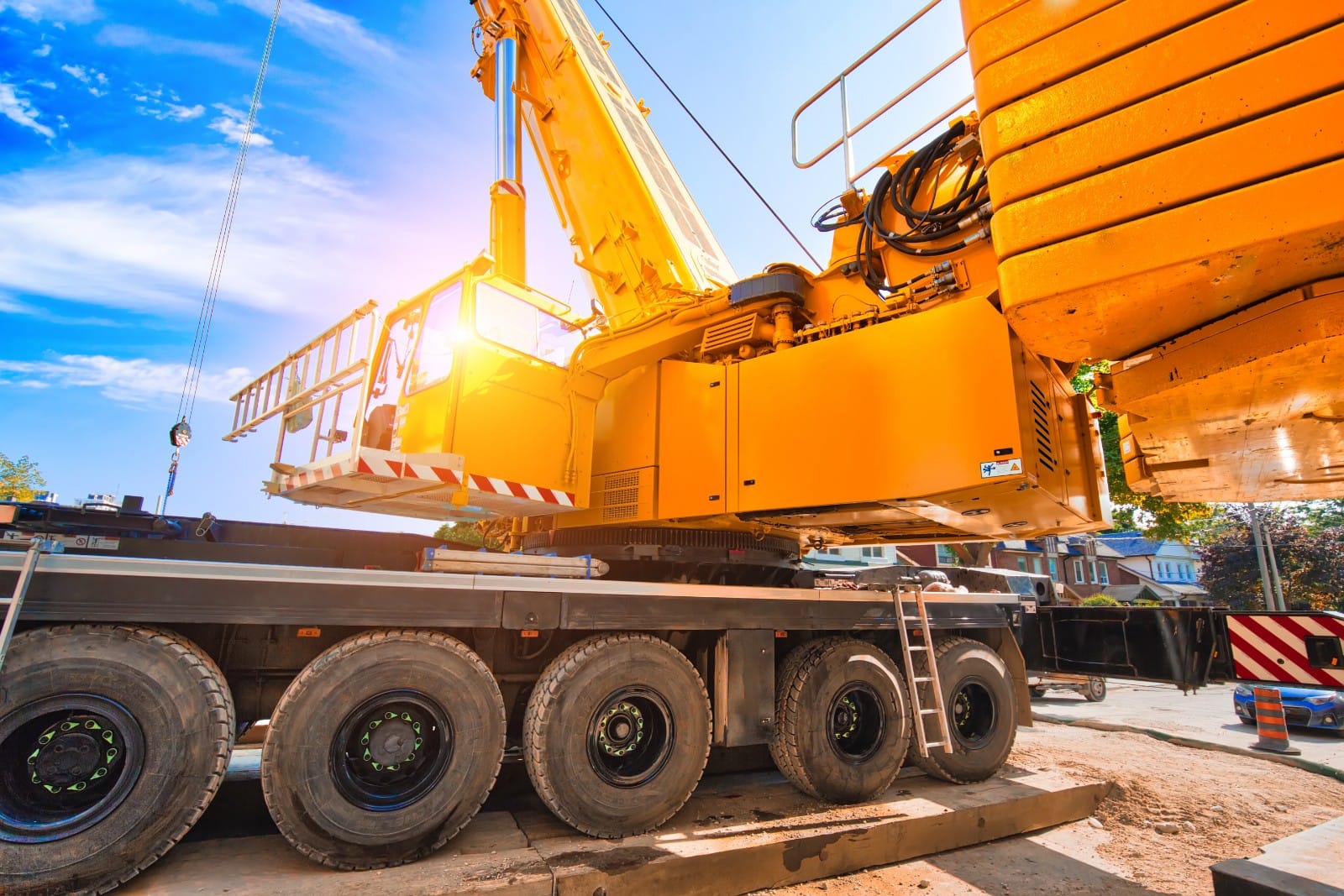
Cranes are among the highest-value assets a construction, hire or civil business will ever buy — a new all-terrain or franna crane can run from tens of thousands into the millions. Very few operators fund one from cash flow. Crane finance lets you spread the cost over the asset’s working life while keeping working capital free for wages, fuel and the next job. This guide explains how crane finance works in Australia, the structures available, what lenders look for, and how to get approved.
Who crane finance is for
Crane hire companies, riggers, construction and civil contractors, roofing and steel-erection businesses, and equipment dealers — any ABN holder acquiring a mobile (all-terrain, city, rough-terrain), pick-and-carry (franna), truck-mounted, tower or crawler crane. New and used cranes can both be financed, including private-sale and auction purchases.
How crane finance is structured
The right structure depends on how you use the crane, your GST position and whether you want to own it at the end. The three common options:
| Structure | How it works | Best for | End of term |
|---|---|---|---|
| Chattel mortgage | You own the crane from day one; the lender takes a mortgage over it. Interest and depreciation typically claimable; GST on the purchase price usually claimable up-front. | Businesses that want ownership and to claim the asset | You own it outright (optional balloon paid out) |
| Commercial hire purchase (CHP) | Lender buys the crane and hires it to you; ownership transfers after the final payment. | Businesses wanting fixed payments and eventual ownership | You take ownership |
| Finance lease / rental | Lender owns the crane and rents it to you; payments generally fully deductible. | Businesses that swap equipment often or want off-balance-sheet treatment | Return, re-lease, or offer to buy |
A balloon (residual) can lower monthly repayments by deferring part of the cost to the end of term — useful on high-value cranes, but the balloon must be paid or refinanced when it falls due. Talk to your accountant about which structure suits your tax position; the notes above are general information, not tax advice.
Typical terms
- Loan term: commonly 3 to 7 years, matched to the crane’s expected working life and hours.
- Deposit: many established businesses access no-deposit finance against the asset; a deposit or trade-in can reduce repayments.
- New and used: used cranes are financeable; older units may carry shorter terms or a higher rate.
- Repayment frequency: weekly, fortnightly or monthly.
What lenders look for
Crane deals are assessed on the strength of the business and the asset. Lenders typically consider time in business, the ABN (and often GST registration), the crane’s age, hours and condition, your industry and contract pipeline, and repayment history. Well-presented deals with two or more years trading and clean history get the sharpest terms.
Low-doc and ABN paths: newer businesses or those without full financials can often still be approved on a low-doc basis using the asset as security, a clean bank statement history and an ABN.
Worked example (illustration only)
A franna pick-and-carry crane financed at $220,000 over 5 years on a chattel mortgage, with a 20% balloon ($44,000) deferred to the end of term, would produce an estimated repayment of a few thousand dollars a month depending on the rate offered. Model your own numbers with our equipment finance calculator and chattel mortgage calculator. Figures are estimates only, not a quote or an offer of finance.
How to get approved
- Confirm the crane (invoice/quote, or auction/private-sale details).
- Have your ABN, and ideally GST registration, ready.
- Provide identification and, for full-doc deals, recent financials or BAS; low-doc deals need less.
- We match the deal to a lender on our panel and structure it for your tax position.
- On approval, funds are paid to the seller and the crane is yours to put to work.
Related finance
Cranes often sit alongside other heavy plant. See heavy vehicle finance, equipment finance, truck finance and chattel mortgage.
Finance your crane with Tradie Finance. Speak to a broker or apply now. Australia-wide, ABN and low-doc options, lender panel, ACL 506065.
Crane finance FAQs
Can I finance a used crane?
Yes — used and ex-hire cranes are financeable. Older units may carry shorter terms or a slightly higher rate to reflect residual value.
Do I need a deposit for crane finance?
Not always. Many established businesses access no-deposit finance secured against the crane; a deposit or trade-in lowers repayments.
Can I get crane finance with a new ABN or without full financials?
Often yes, on a low-doc basis using the asset as security, an ABN and clean banking. Terms may differ from full-doc deals.
What is the best structure — chattel mortgage, CHP or lease?
It depends on whether you want ownership and your GST and tax position. A chattel mortgage suits businesses wanting to own and claim the asset; a lease suits frequent upgraders. Confirm with your accountant.
How long can I finance a crane for?
Commonly 3 to 7 years, matched to the crane’s working life; a balloon can reduce monthly repayments.
Tradie Finance arranges commercial asset finance for business-use equipment and operates under Australian Credit Licence 506065 (Five Tees Pty Ltd). Lending is subject to approval, lending criteria, terms, conditions and fees. Any repayment figures are estimates only and not a quote. Tax comments are general information, not tax advice — consult your accountant. Written and reviewed by the Finance Director at Tradie Finance.